
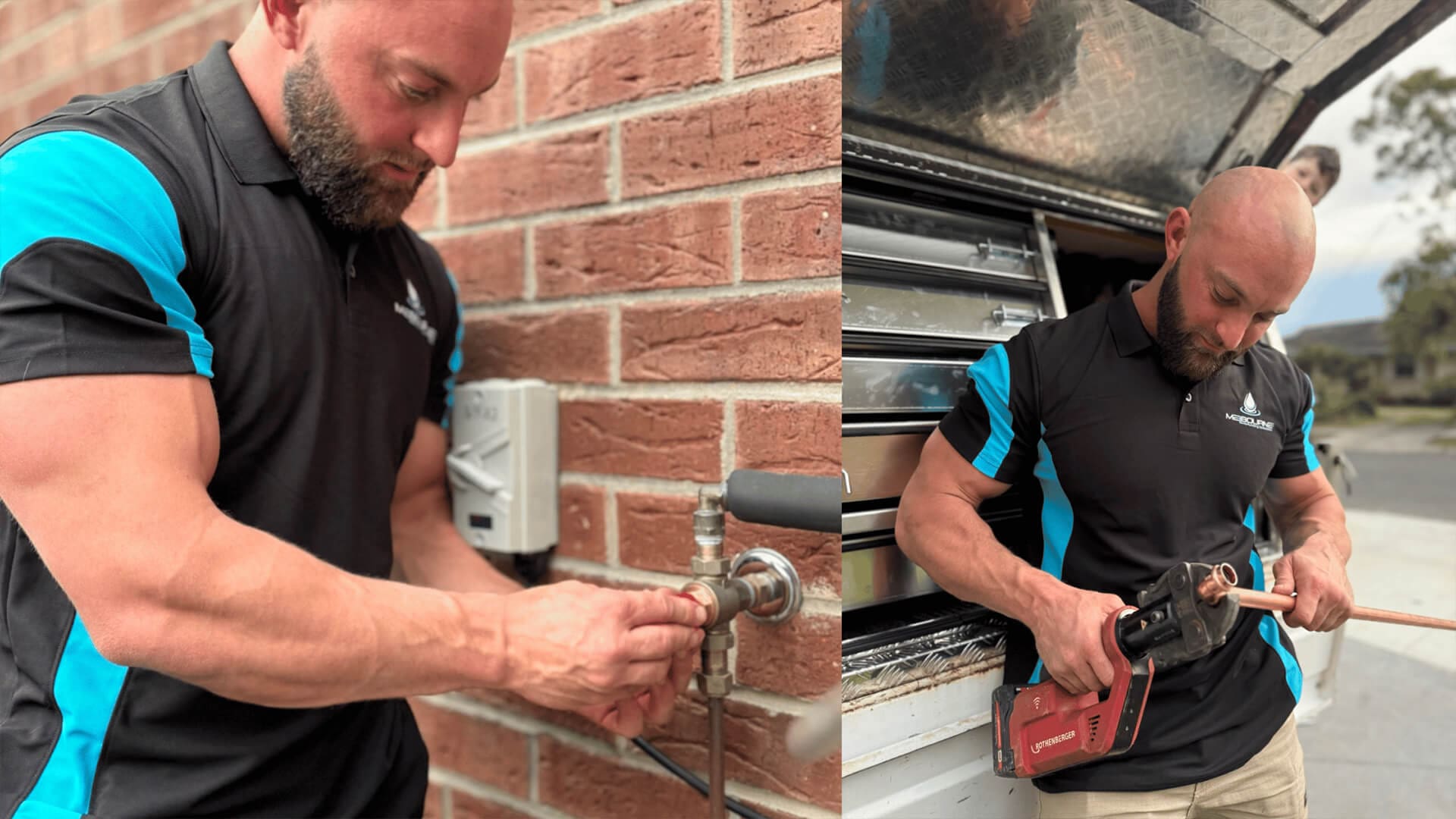
Gas safety is easy to overlook until something feels off, whether it is a strange smell, an appliance not working as it should, or symptoms that do not quite make sense indoors. Gas systems are used daily in most homes, with many small faults developing quietly over time. Recognising the signs early and acting quickly with a licensed gas fitter helps prevent serious safety risks.
Clear Signs Of A Gas Issue
Gas problems often show early warning signs before becoming dangerous. Paying attention to changes around your home makes it easier to act before the issue escalates.
- A sulphur or rotten egg smell is the most recognisable sign of a gas leak
- Hissing sounds near pipes, meters, or appliances can indicate gas escaping under pressure
- Soot marks or scorching around burners suggest incomplete combustion
- Dead or discoloured vegetation along a gas line may point to an underground leak
- Headaches, dizziness, or nausea indoors can be linked to carbon monoxide exposure
Appliance performance can also shift. Burners may struggle to ignite, flames can appear uneven, and heat output may drop. Gas leak detection requires proper testing, as even minor faults can develop into larger problems when ignored.
What To Do If You Smell Gas
Knowing how to respond helps reduce risk and keeps the situation under control. When the smell of gas appears in your house, you should:
- Leave the property immediately without using electrical switches or open flames
- Open doors and windows on your way out if it is safe to do so
- Turn off the gas supply at the meter if accessible
- Contact a licensed gas leak detection plumber once you are outside
Knowing where your gas meter shut-off valve is located can save valuable time in an emergency. Professional support ensures the issue is properly identified and resolved safely.
Understanding Gas Work Certification
Gas work must always be completed by a licensed gas fitter to meet Australian safety requirements. Installation, repairs, and any changes to a system all require proper testing and verification before use.
A compliance certificate confirms the work has been inspected and is safe to operate. Without it, the job is considered incomplete and may create issues with insurance, property sales, or leasing. Gas appliance installation must be professionally commissioned, as a connected system is not automatically a safe one.
Regular servicing is just as important. Gas appliances should be checked at least every two years, or sooner if warning signs appear. Keeping records of inspections and completed work provides clarity for future maintenance and supports compliance requirements when needed.
Responding To Gas Issues Safely
Gas systems carry real risks when faults are ignored, including leaks, carbon monoxide exposure, and avoidable damage. Acting on early signs, arranging proper inspections, and ensuring certified work all play a role in reducing those risks. Melbourne Plumbing Specialists provides licensed gas fitter services, covering gas leak detection, gas appliance installation, and gas line installation with a focus on safety and compliant workmanship.
Book a licensed gas fitter with Melbourne Plumbing Specialists to address warning signs early and keep your Melbourne home safe.
