
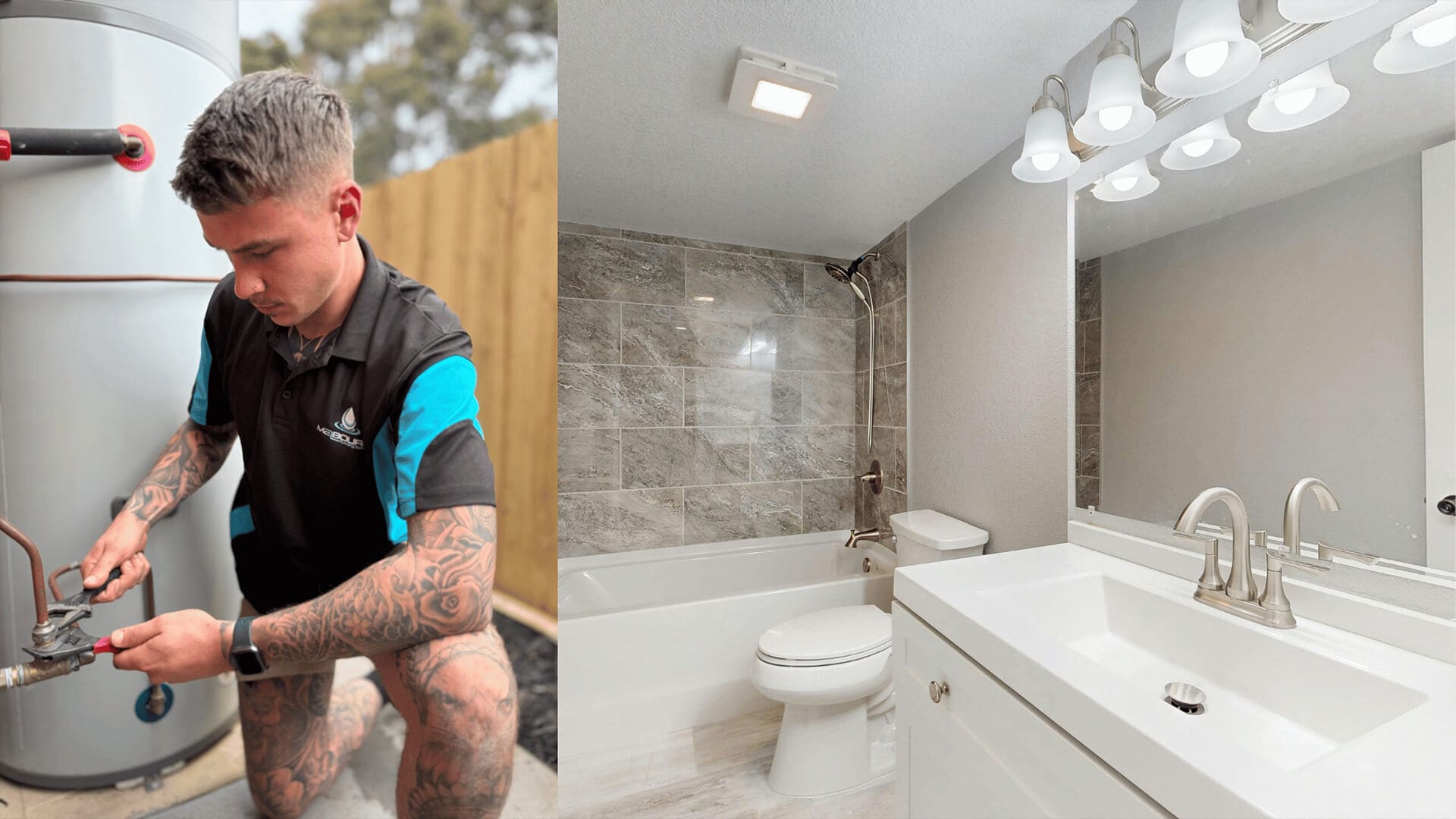
Hot water systems account for a large portion of household energy use, so the system you choose directly affects both performance and running costs. When planning to replace a hot water system in Melbourne, selecting the right type and size ensures a consistent supply that suits your needs.
Comparing Hot Water System Types
Each system type offers a different balance of cost, efficiency, and performance, which makes understanding the differences important before deciding.
Electric Systems: Powered by mains electricity and available as storage or instantaneous units. Storage systems keep hot water ready in a tank, while instantaneous systems heat water only when required, reducing heat loss. Installation is flexible and suits most homes.
Gas Systems: Operate on natural gas or LPG and are available in storage or continuous flow models. Gas systems heat water faster than electric systems, which allows for smaller tank sizes. Storage models lose more heat due to ventilation requirements.
Heat Pump Systems: Use ambient air and a compressor to heat water. Electricity is used to transfer heat rather than generate it, which keeps running costs lower. Higher upfront cost is balanced by strong efficiency and reduced emissions.
Solar Systems: Use roof-mounted solar panels to heat water, which is then stored in a tank. Running costs are significantly lower compared to other systems, although installation is more complex and requires suitable positioning.
Instantaneous systems across both electric and gas reduce energy use by heating water only when needed and avoid storing unused hot water.
Choosing The Right System Size
Getting the size right affects comfort just as much as running costs. A system that is too small will run out quickly, while an oversized unit keeps heating water you may not need.
A simple guide by household size is:
- 1 to 3 people: 80L to 125L
- 2 to 4 people: 125L to 160L
- 3 to 6 people: 160L to 315L
- 5 to 8 people: 250L to 400L
Capacity also needs to reflect demand across the home. Multiple bathrooms, back-to-back showers, dishwasher cycles, and washing machine use all increase pressure on the system, especially during busy morning periods.
Using a gas system recovers faster, so a smaller tank can often cope, while an electric system depends more on stored hot water, which needs extra capacity.
System Efficiency Considerations
Efficiency depends on how the system generates heat and how closely it matches your household’s usage patterns.
Instantaneous systems reduce heat loss by heating water only when required. Heat pump systems draw heat from the air to reduce electricity usage, while solar systems rely on sunlight to reduce reliance on the grid. Storage systems can still perform efficiently when sized correctly and installed in suitable locations.
Electricity tariffs also influence performance. Systems connected to off-peak power need enough stored water to supply the day, while solar systems benefit from heating water during daylight hours. Aligning system operation with usage patterns helps control energy costs.
Replacement Installation Timeframes
Replacing a hot water system usually takes between 2 to 4 hours when the new unit matches the existing setup in type, size, and location. This includes removal of the old system, installation of the new unit, reconnection of services, and testing.
More complex installations take longer when changing system type, upgrading to gas, or relocating the unit may require additional pipework, electrical work, or gas connections. Solar systems take the longest due to panel installation and additional components, often requiring a full day or more.
Accessibility also affects timing, as systems installed in open areas are quicker to replace than those located in tight or restricted spaces.
Choosing The Right System For Your Home
Choosing the best hot water system for home use comes down to selecting the right type and size based on actual demand, not assumptions. A properly matched system reduces energy waste, maintains a consistent supply, and avoids unnecessary upgrades later.
Melbourne Plumbing Specialists handle hot water installation of reliable systems, with licensed electricians and licensed gas fitters ensuring each system is installed safely and correctly. Talk to our team today to secure a system that matches your home’s demands and requirements.
