
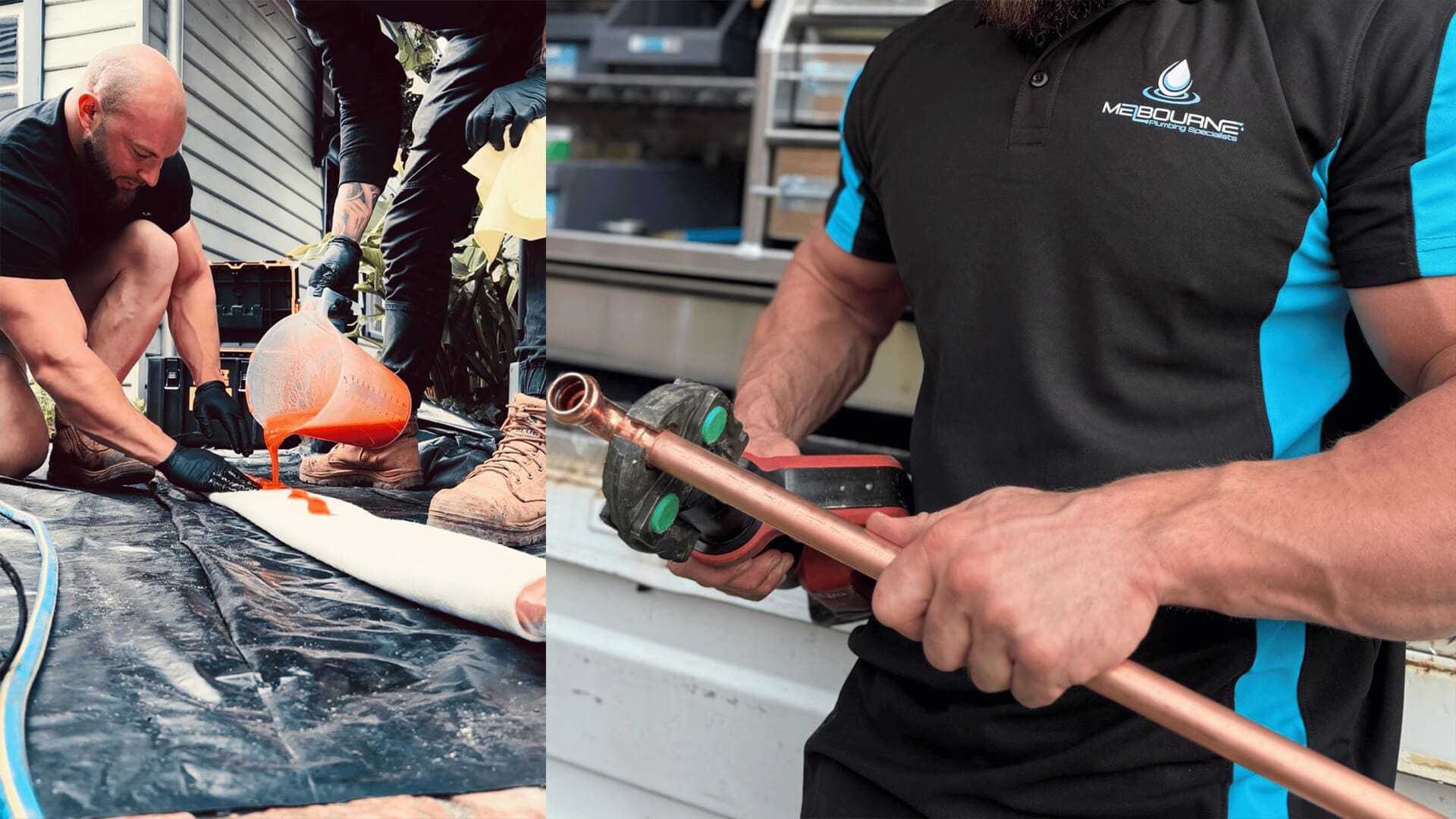
Cracked underground pipes do not always need to be dug up to be repaired. Pipe relining restores damaged pipes internally by installing a new lining within the existing structure, avoiding excavation and reducing disruption. For properties in Melbourne, this approach keeps driveways, gardens, and internal areas intact while resolving common drainage issues more efficiently.
What Is Pipe Relining
Pipe relining is a trenchless pipe relining method that installs a new internal lining inside an existing damaged pipe. Instead of removing the pipe, a resin-saturated liner is inserted and cured in place, forming a seamless inner pipe that restores function and strength.
The new lining seals cracks, reinforces weak sections, and creates a smooth internal surface that supports consistent flow. Sewer pipe relining and relining drain pipes both follow this same method, making it suitable across a wide range of underground systems without disturbing surrounding areas.
How The Process Works
Pipe relining relies on a controlled process to ensure the internal lining bonds properly and performs under pressure once installed.
- CCTV inspection identifies cracks, blockages, and root intrusion within the pipe
- High-pressure water jetting clears debris and prepares the internal surface
- A resin-soaked liner is inserted and positioned along the damaged section
- Inflation presses the liner tightly against the pipe walls
- The resin cures and hardens into a jointless internal structure
- Final inspection confirms the repair and checks flow is restored
Each stage contributes to a finished result that strengthens the pipe without replacing it. Most no-dig pipe repair jobs are completed within a day, depending on pipe length and access.
When Pipe Relining Is Suitable
Pipe relining works best when the pipe still holds its shape but has developed faults over time. Cracks, minor fractures, root intrusion, and recurring leaks are common examples where trenchless pipe relining is the right approach.
Pipes located beneath slabs, driveways, or landscaped areas are often ideal candidates, as excavation would add unnecessary disruption and cost. Older materials, such as clay or cast iron, also respond well to relining when the structure remains intact.
Where pipes have fully collapsed or shifted significantly, replacement may still be required. A proper inspection confirms whether relining can be applied effectively.
Benefits Of Relining Your Pipes
Pipe relining is often chosen because it resolves the issue while avoiding the broader impact of excavation. The advantages extend beyond convenience and contribute to overall performance.
- Minimal disruption as surfaces remain intact during repair
- Faster completion compared to traditional pipe replacement
- Reduced costs by avoiding excavation and reinstatement work
- Strong internal lining that resists corrosion, cracks, and root intrusion
- Improved flow from a smooth internal surface
- Lower environmental impact due to reduced waste and machinery use
- Expected lifespan of 30 to 50 years, depending on materials and installation
These factors make no-dig pipe repair a reliable option for restoring damaged pipes without creating additional work across the property.
Restoring Pipes Without Digging
Pipe relining provides a practical way to repair cracked pipes without turning the property into a worksite. The process restores internal strength, seals defects, and keeps disruption to a minimum while the repair is carried out.
Melbourne Plumbing Specialists uses trenchless pipe relining and sewer pipe relining methods that are suited to a wide range of drainage systems, with a focus on accuracy, durability, and minimal surface impact.
